
Last Beacon:Survival
Per Android · YG Technology FZ-LLC
- 4,4 su 5Valutazione
- 17.91KRecensioni
- 1.00M+Download
- StrategiaGenere
Dettagli del gioco
- Versione
- 1.6.0
- Aggiornato
- Richiede
- 6.0
- Prezzo
- Free
- Classificazione per età
- PEGI 7
- Acquisti in-app
- 0,99 € - 349,99 € se la fatturazione avviene tramite Play
Screenshot
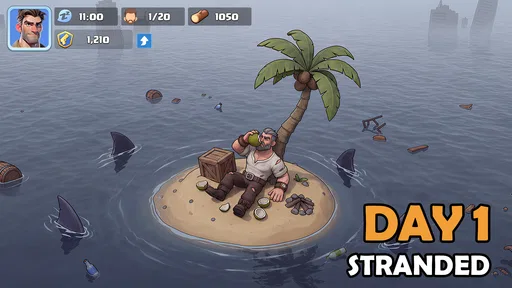
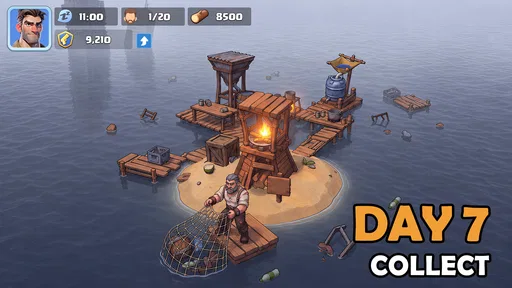
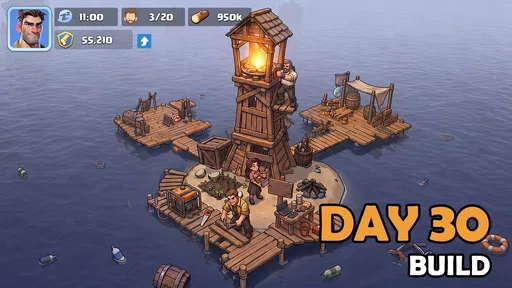
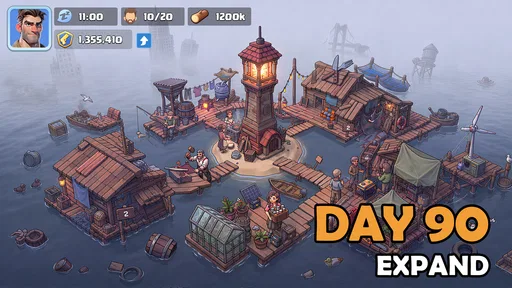
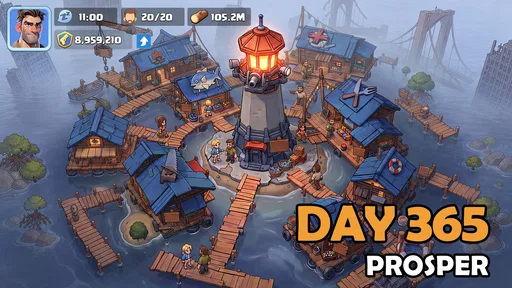
Recensione di Last Beacon:Survival
 Analisi di Gamesive
In Last Beacon:Survival, the appeal is easy to grasp: I’m asked to help humanity endure on the ocean, where rebuilding matters as much as fighting. That premise gives this strategy game a more focused identity than a familiar land-based kingdom builder. The sea is not just scenery; it frames the central problem of making a foothold and keeping it safe. I’d recommend it to players who enjoy planning around survival and gradual reconstruction, rather than those looking for a purely casual game with no pressure.
Cost, expectations and the ocean setting
The game is free to install, with optional purchases listed from €0.99 to €349.99 when billing goes through Google Play. That wide range is worth noticing before you start: it tells me spending options exist, but it does not tell me what any individual purchase contains or whether it changes the pace of progress. I would begin without buying anything, learn how the ordinary progression feels, and only then decide whether an optional purchase solves a frustration I actually have.
Its strategy focus is reflected in the premise: survival, construction and combat are tied together rather than presented as separate attractions. In my view, that combination works best when each decision has a reason. Building should support your ability to persist, while conflict should make the task of protecting what you have built feel relevant. The ocean setting makes that loop feel distinct in concept, though the broad description alone is not enough to establish how every system plays out in practice.
YG Technology FZ-LLC is the developer. The game is rated PEGI 7, so it is positioned for a young audience as well as adults who enjoy lighter strategy themes. That age rating is useful when deciding whether to consider it for a younger player, but it should not be treated as a full explanation of every scene or interaction. I’d still check the game directly and make sure its style suits the person who will be playing.
The overall reception is encouraging: it has a 4.4 average from around 18,000 ratings, alongside more than a million installs. Those figures suggest that many people have tried it and that ratings lean positive, but they do not guarantee that its particular balance or pace will suit you. I treat popularity as a reason to take a closer look, not as a substitute for knowing what kind of strategy game I want.
What the premise asks you to enjoy
The strongest reason to try Last Beacon:Survival is the particular mix of making a settlement and defending human survival in an ocean-bound setting. If I like seeing a fragile starting point become more capable through careful choices, the premise has a clear hook. If I want a story-led adventure, a quick puzzle session or combat without any concern for rebuilding, this is probably not the shape of game I’m looking for.
Compared with the usual alternatives in strategy, this concept points toward a survival-and-development loop rather than a straightforward contest for territory. That distinction matters: the pleasure is likely to come from managing the work of establishing a future, not merely from winning isolated battles. I would choose it over a conventional military strategy game if the human-reconstruction angle is what draws me in; I would choose a simpler puzzle strategy game if I wanted compact decisions without the broader survival framing.
Progress feels most rewarding when I plan ahead
A useful way to approach a game built around survival, construction and combat is to treat them as linked priorities. I would avoid thinking of a new structure as progress by itself: the better question is whether it supports the settlement’s ability to withstand pressure or makes later choices easier. Likewise, a fight is not automatically worthwhile just because it is available. When a strategy game asks me to rebuild and defend, I prefer to weigh the likely benefit against the risk of diverting attention from the foundations I still need.
That leads to a practical habit: before committing to an upgrade or an aggressive move, I would pause and ask what it enables next. This is a small but useful way to stop a survival strategy game from becoming a string of reactive clicks. It also helps identify whether I am stuck because I made a poor strategic choice or because I simply need more time to develop. The distinction matters when deciding whether to keep playing, change priorities or consider an optional purchase.
For a realistic everyday session, imagine opening the game during a short break and finding that you can make only one meaningful decision before returning to other tasks. I would use that moment to check what seems most urgent: strengthening the settlement, advancing construction or preparing for conflict. I would not start a complicated plan unless I had time to follow it through. This kind of focused check-in is a good fit for someone who likes to think in small strategic steps, but less appealing if they want every session to offer a complete, self-contained match.
There is a trade-off here. A survival premise can make gradual development satisfying, yet it can also make slow progress feel more noticeable than it would in a quick-match game. If I enjoy building toward a stable position, patience is part of the attraction. If I want immediate outcomes and dislike waiting for a plan to pay off, the same structure could feel like friction. I would give the basic loop a fair trial before deciding whether the pace suits me.
Spending and competitive fairness
The purchase range is the main concrete reason to think about spending before investing too much time. Optional in-app purchases run from €0.99 to €349.99 through Play billing. That range includes a very high upper price, so I would be careful with one-tap buying and keep purchase decisions deliberate. It does not, by itself, show what is included, how often purchases are presented or whether spending is needed to make steady progress.
For that reason, I would not assume either that the game is pay-to-win or that purchases are harmless conveniences. The available purchase facts do not establish how competitive balance works, what advantages a purchase might provide, or whether players who spend compete directly with those who do not. Those are important questions for anyone choosing a strategy game chiefly for fair competition, and I would want to judge them from the actual play experience rather than infer answers from prices alone.
My practical recommendation is to start free and watch for the point at which progress becomes uncomfortable. If I can make meaningful strategic choices without paying, I have no reason to spend simply because an offer is visible. If I find that a purchase is being framed as the only way past a bottleneck, I would stop and decide whether that friction is acceptable before paying. This approach keeps the decision tied to my own experience, not to assumptions about what the game’s economy must be doing.
Players who value a level playing field above all else should be especially cautious about expectations. A listed purchase range confirms that spending is possible, but it cannot answer whether money affects competitive outcomes. If that uncertainty is a deal-breaker, a strategy title with clearly established competitive rules or a fixed purchase price may be a more comfortable alternative. If I’m mainly interested in the survival-and-rebuilding idea, I can still try this game while keeping spending optional and boundaries clear.
Who will enjoy it, and who may prefer something else
I see the best fit as someone who likes strategy games with a reason to build, a reason to defend and a broader survival goal connecting the two. The ocean setting also gives the premise a specific mood that may appeal to players tired of the standard fantasy kingdom or modern battlefield backdrop. It is a promising choice for people willing to let a settlement develop over time and to think about the consequences of how they allocate attention.
I would steer away from it if I were looking for a quick reflex game, a puzzle with a clean finish each time I open it, or a strategy experience where competitive fairness is already transparent. It may also be a poor match for anyone who dislikes optional purchases appearing in free-to-play games, especially given the breadth of the listed purchase prices. Free access makes it easy to investigate, but it does not mean every player will enjoy the pace or monetisation context.
Another useful distinction is whether I want to manage a developing situation or simply win a match. Last Beacon’s premise puts rebuilding human civilization at the center, so I expect the appeal to come from stewardship and survival as much as tactical success. Someone who prefers short, self-contained battles may be happier with a traditional arena or turn-based match game. Someone who enjoys a longer arc of making a vulnerable position more secure has a clearer reason to give this one a chance.
What I would check before committing
The current version is 1.6.0, and the minimum Android requirement is 6.0. That makes the basic compatibility question straightforward for Android users: check the device’s operating system before downloading. The game is free, so trying it does not require an upfront purchase, but I would still make sure the device has enough room and that I’m comfortable with the experience before spending time on longer-term progress.
Its release date is 27 August 2026. That gives a useful point of reference when considering how long it has been available, but a release date alone cannot tell me how frequently it changes or what future support will look like. I would judge the version I can actually install, and avoid treating assumptions about upcoming content or updates as a reason to start.
There are a few practical questions I would resolve through play rather than guess at. First, does the rhythm of construction and combat suit short visits, or does it reward longer sessions? Second, can I enjoy the central progression without paying? Third, if I care about competing, do spending options affect the kind of competition I’m entering? These are not minor details: their answers determine whether the game is a comfortable fit for my routine and priorities.
My verdict: a distinctive idea, best approached thoughtfully
My overall view is positive but measured. A strategy game about survival and rebuilding on the ocean has a more specific identity than another generic base-building premise, and the combination of construction and combat gives it a clear reason to attract strategy fans. The large number of ratings and installs makes it easy to see why people are giving it a look, while the free entry point lets curious players test the idea for themselves.
The main reservation is not a claim that the game is unfair; it is that the purchase range alone cannot settle how spending interacts with progress or competition. I would enter with a simple rule: enjoy the free experience first, pay only for something whose value I understand, and walk away if progress starts feeling like pressure rather than strategy. That keeps the decision grounded in what I actually experience.
If I wanted an ocean-set survival strategy game and had patience for linked goals of building and fighting, I would give Last Beacon a try. If I wanted a quick match, a guaranteed spending-free competitive environment or clear answers about monetisation before installing, I would look elsewhere. Its strongest appeal is the rebuilding premise; whether it becomes a lasting favourite depends on how its pace and purchase choices feel in my own hands.
Cosa ci piace
- Esplorare aree diverse aiuta a mantenere viva la curiosità.
- La raccolta di risorse dà uno scopo chiaro alle spedizioni.
- Il tema post-apocalittico crea un’atmosfera riconoscibile.
- I progressi nella sopravvivenza premiano la pianificazione.
- Può interessare a chi apprezza le sfide di gestione delle risorse.
Cosa si potrebbe migliorare
- La raccolta ripetuta di materiali può diventare monotona.
- I giocatori occasionali potrebbero trovare i progressi lenti.
- La difficoltà può risultare frustrante senza una strategia efficace.
- Le sessioni richiedono attenzione costante alle necessità del personaggio.
- Chi cerca un’esperienza narrativa ricca potrebbe restare insoddisfatto.
Domande frequenti
Che tipo di gioco è Last Beacon:Survival?
Last Beacon:Survival è un gioco di sopravvivenza ambientato in un mondo post-apocalittico, in cui esplorazione, gestione delle risorse e difesa sono elementi centrali. Il giocatore deve affrontare i pericoli dell’ambiente, raccogliere materiali e cercare di restare al sicuro. Prima di scaricarlo, considera che ritmo, modalità disponibili e funzionalità possono variare in base alla versione e agli aggiornamenti del gioco.
Last Beacon:Survival si può giocare senza connessione a Internet?
La possibilità di giocare offline dipende dalle funzioni incluse nella versione installata: alcuni giochi di sopravvivenza permettono di affrontare almeno una parte dell’esperienza senza rete, mentre eventi, progressi sincronizzati o modalità online possono richiedere una connessione. Se prevedi di giocare in viaggio o con una rete instabile, controlla la descrizione nello store e verifica dopo l’installazione quali modalità restano accessibili offline.
Last Beacon:Survival è gratuito e include acquisti in-app?
Il gioco potrebbe essere scaricabile gratuitamente, ma questo non significa necessariamente che tutti i contenuti siano disponibili senza costi. Controlla la scheda di Last Beacon:Survival su Google Play o App Store per verificare la presenza di acquisti in-app, eventuali annunci e cosa offrono gli acquisti, come risorse o contenuti aggiuntivi. Prima di spendere, valuta se gli acquisti sono facoltativi e consulta le impostazioni di pagamento del dispositivo.
Quali requisiti servono per installare Last Beacon:Survival su Android o iOS?
I requisiti possono cambiare con gli aggiornamenti e dipendono dal modello del dispositivo, dalla versione del sistema operativo e dallo spazio libero disponibile. Prima del download, consulta la scheda ufficiale del gioco per verificare la compatibilità con il tuo telefono o tablet e le dimensioni dell’installazione. È consigliabile avere spazio aggiuntivo per i dati scaricati in seguito e mantenere il sistema operativo aggiornato.
Last Beacon:Survival è adatto a tutti e salva i progressi?
Un gioco di sopravvivenza può includere combattimenti, situazioni di pericolo e temi post-apocalittici, quindi è utile controllare la classificazione per età e le avvertenze indicate nello store prima di installarlo, soprattutto per i giocatori più giovani. Anche il salvataggio dei progressi può dipendere dalla versione: verifica se è locale o collegato a un account e se richiede Internet, così da ridurre il rischio di perdere i dati cambiando dispositivo.
Autorizzazioni
Su Android, Last Beacon:Survival richiede queste autorizzazioni.
- Luogo
- posizione approssimativa (basata sulla rete), posizione esatta (GPS e basata sulla rete)
- Telefono
- lettura stato e identità telefono
- Foto/elementi multimediali/file
- lettura dei contenuti dell'archivio USB, modifica/eliminazione di contenuti dell'archivio USB
- Spazio di archiviazione
- lettura dei contenuti dell'archivio USB, modifica/eliminazione di contenuti dell'archivio USB
- Fotocamera
- acquisizione di foto e video
- Informazioni sulla connessione Wi-Fi
- visualizzazione connessioni Wi-Fi
- ID dispositivo e dati sulle chiamate
- lettura stato e identità telefono
- Altro
- visualizzazione connessioni di rete, accoppiamento con dispositivi Bluetooth, accesso alle impostazioni Bluetooth, modifica della connettività di rete, accesso di rete completo, controllo vibrazione, disattivazione stand-by del dispositivo, Controllo licenza di Google Play
Lingue
Last Beacon:Survival è disponibile sul nostro sito anche in altre 1 lingue.
Recensioni degli utenti
4,4 su 5
17.909 recensioni
- 64%
- 26%
- 1%
- 3%
- 5%
Scarica Last Beacon:Survival
Strategia · YG Technology FZ-LLC · Free
Giochi simili a Last Beacon:Survival
Vedi tutto: Giochi simili a Last Beacon:Survival
Total Battle: Strategia Guerra
Strategia4,2 su 5

Warline: Sniper Strike
Strategia4,9 su 5

Top Force
Strategia4,6 su 5

Police Chief
Strategia4,7 su 5
Informazioni su questa scheda
- Gioco
- Last Beacon:Survival
- Sviluppatore
- YG Technology FZ-LLC
- Pacchetto
- com.hnhs.endlesssea.gp
- Versione recensita
- 1.6.0
Gamesive recensisce i giochi in modo indipendente e non riceve compensi dagli sviluppatori per le valutazioni. Non ospitiamo file di gioco: i pulsanti di download aprono le pagine ufficiali di Google Play e App Store. Nomi, icone e screenshot appartengono ai rispettivi proprietari.